

What is Photobiomodulation?

Photobiomodulation (PBM) is the therapeutic use of red and near-infrared light to support the body’s natural cellular processes. Our cells naturally respond to light, and when exposed to specific wavelengths this light can stimulate beneficial effects at a cellular level.
Research shows that PBM enhances energy production in cells, improves oxygen circulation in the brain, and promotes the release of neuroprotective proteins and growth factors. These effects help support overall brain health, cognitive performance, and mental clarity.
In addition, light therapy has been shown to activate the brain’s glymphatic system — the system responsible for clearing waste from the brain — which plays a critical role in maintaining long-term brain function.
Photobiomodulation is a safe, non-invasive approach that helps the brain function at its best. It aligns with our goal of supporting high cognitive performance and neurological well-being across all stages of life.
What is Biofeedback?
Biofeedback is a technique that helps you become more aware of your body’s physiological responses. Our bodies are constantly sending signals, like heart rate, muscle tension, or even skin temperature. With biofeedback, sensors are used to measure these signals in real-time. For example, a sensor might track your heart rate or muscle tension. The data from these sensors is then displayed on a screen, often in the form of graphs or sounds that you can see or hear.
By seeing these signals, you can learn to control them. It’s like getting feedback from your body that helps you understand how stress or relaxation affects you physically. Through guided practice and techniques like breathing exercises or mental imagery, you can learn to consciously change these physiological responses. Over time, this can help you manage stress, anxiety, pain, or even improve your cognitive performance.
It is standard practice to have clients complete a few minutes of biofeedback directly preceding each of their neurofeedback sessions. This helps to ensure you are in a relaxed yet focused state.
What is Neurofeedback?

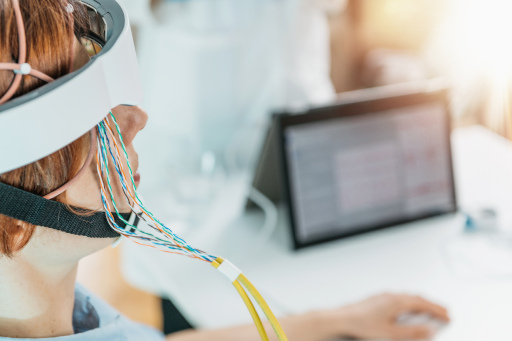
Neurofeedback therapy, also known as EEG biofeedback, works by monitoring your brainwaves using sensors placed on your scalp. These sensors detect electrical activity in your brain, which is then displayed on a computer screen in the form of real-time feedback.
During a neurofeedback session, you might engage in activities such as playing a game or watching a video. The game or video is controlled by your brain activity — when your brainwaves are in a desired state (such as calm and focused), you might score points or progress in the game. Conversely, if your brainwaves are in an undesired state (such as anxious or distracted), the game might pause or slow down, providing you with immediate feedback.
Over time, the brain learns to optimize its activity patterns based on this feedback. This process is known as operant conditioning — similar to how we train muscles through exercise, neurofeedback trains the brain to enhance specific brainwave patterns associated with improved cognitive function, emotional regulation, or other therapeutic goals.
Neurofeedback is used to address a variety of conditions, including anxiety, depression, ADHD, PTSD, insomnia, and more. It is a safe and drug-free approach that aims to help you achieve better self-regulation and overall well-being by harnessing the brain’s ability to learn and adapt.
Each neurofeedback session is tailored to your specific needs and goals, and the number of sessions required varies depending on your individual response and the nature of your concerns. We will work closely with you to assess progress and adjust the treatment plan as needed.

What is a QEEG and why is it necessary in Neurofeedback therapy?
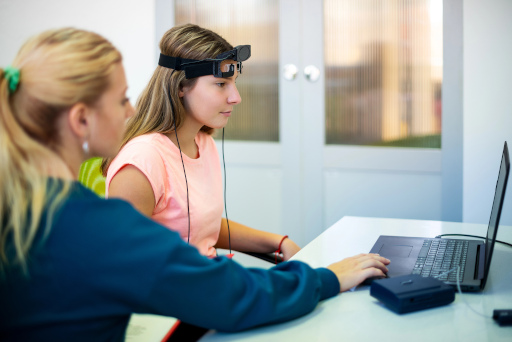
An EEG (Electroencephalogram) is a non-invasive procedure that is completed before neurofeedback therapy begins. It records electrical activity in the brain using electrodes attached to the scalp.
A QEEG (Quantitative Electroencephalogram), also known as brain mapping, is an advanced analysis of EEG data. It is an essential component of neurofeedback therapy because it provides detailed information about your brain’s electrical activity and provides critical diagnostic information that enhances the precision and effectiveness of neurofeedback therapy. It guides treatment planning, individualizes therapy sessions, and allows for objective monitoring of progress, ultimately helping you achieve optimal brain function and improved mental well-being.
Neurofeedback therapy has been used to help treat a variety of conditions and improve overall brain function. Some of the most common conditions that neurofeedback can help treat include:
- ADHD (Attention-Deficit/Hyperactivity Disorder)
- Anxiety Disorders
- Depression
- Insomnia and Sleep Disorders
- PTSD (Post-Traumatic Stress Disorder)
- Epilepsy
- Traumatic Brain Injury (TBI)
- Autism Spectrum Disorder (ASD)
- Substance Use Disorders
- Peak Performance Enhancement
For more information on these services, click here.

A Message from Dr. Coughlin:

“Neurofeedback is like physical therapy for the brain — training it to perform at its best.”